Top speed is the real divide
Flat pads top out around 4 mph, which is a brisk walk and nothing more. The 2-in-1 pads with a folding handle reach 6 to 7.5 mph, enough for a jog, but their small rollers and motors aren't built for an hour of it. If running matters, buy a treadmill. If walking at a desk is the whole job, a flat pad is thinner and usually quieter.
Treat weight ratings with caution
Most budget pads claim 265 to 300 lb. Thin decks tend to flex under heavier walkers, which makes the belt drag on the board and the motor work harder. A safe habit is to stay about 50 lb under the sticker, or buy the LifeSpan, which is rated to 350 lb by a company with a service desk.
Carpet, mats and footsteps
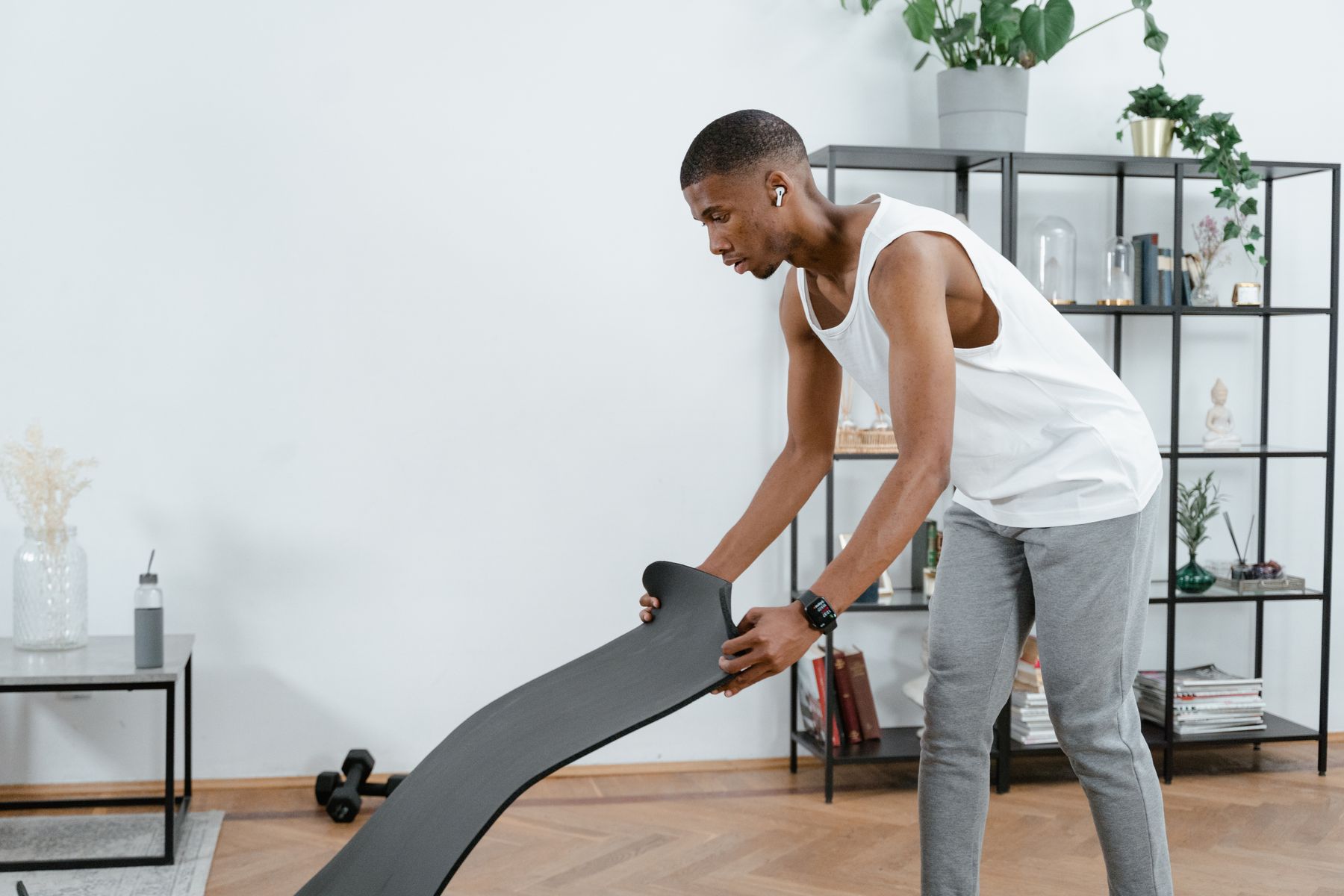
On a hard floor, the motor is what you hear. On carpet, the belt drags, the motor works harder, and the pad runs louder and hotter. A 6 mm rubber mat helps with both and also softens the footstep thud that neighbors below tend to complain about. Our walking pad noise test page explains our method.
The remote matters more than the app
You'll change speed without looking down, so a remote that responds quickly and has a physical stop button matters more than any app. Apps are handy for logging. A pad that needs your phone just to start is one you'll stop using.