Treadmill vs elliptical: which one your knees and your room will keep using
Buy an elliptical if impact is the problem or you live above someone. Buy a treadmill if you run or want to, because nothing else trains running.
We may earn a commission from links. It never changes our picks. How we make money
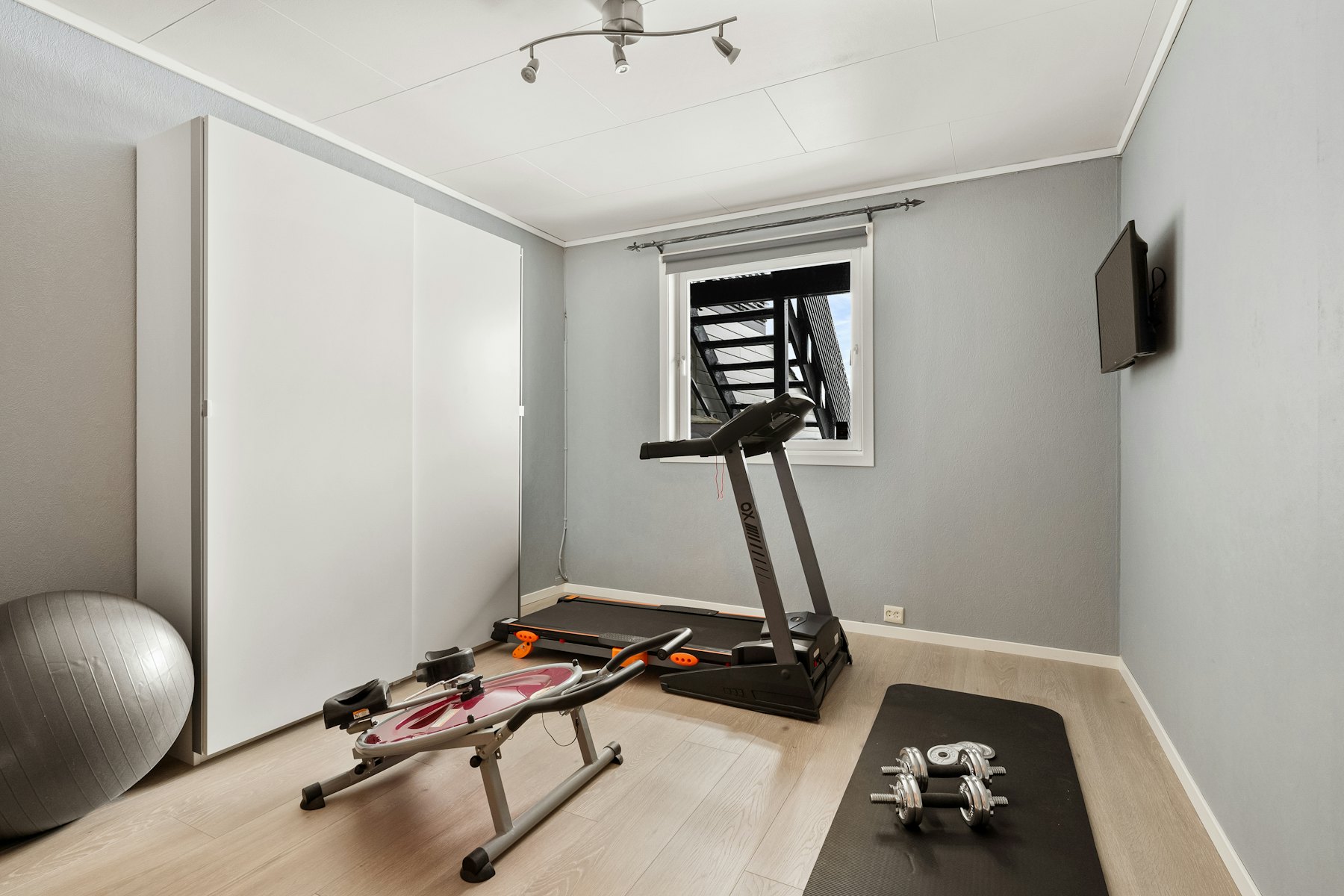
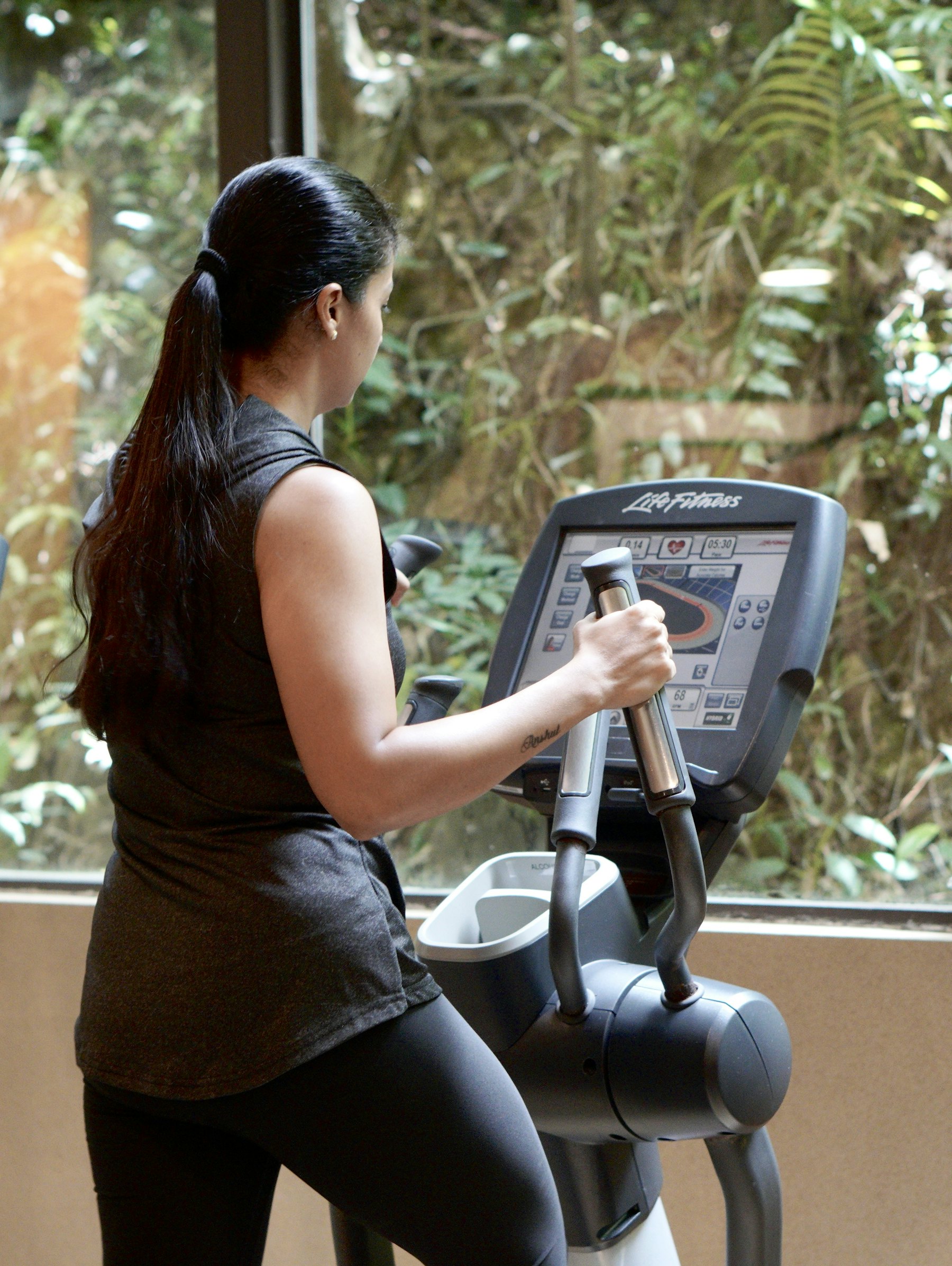
Quick verdict
A treadmill makes you land on every stride and an elliptical never lets your feet leave the pedals. If impact is the problem, get the elliptical; if you want to run, get the treadmill.
Elliptical
Best for: knees, hips or a back that complain
Your feet stay on the pedals, so there's no landing. The Sole E25 adds a 20% incline to raise the effort without adding impact.
Treadmill
Best for: anyone who runs or wants to
Nothing else trains running. The Sole F63 gives you a 20 by 60 inch belt, 12 mph and a 15% incline for a typical $1,099 to $1,399.
Elliptical
Best for: apartments and early mornings
With no foot strike, almost nothing travels through the floor. A treadmill's landing is what a downstairs neighbor hears, and it gets louder with speed.
We may earn a commission if you buy through these links. How we make money
Side by side
Swipe sideways to see every column
| Spec | Sole F63 | Sole E25 |
|---|---|---|
| Our rating | 4.2 / 5 | 4.2 / 5 |
| Typical price | $1,099 to $1,399 | $999 to $1,299 |
| Motor | 3.0 HP DC | — |
| Belt / stride | 20 x 60 in | 20 in stride |
| Flywheel | — | 20 lb |
| Top speed | 12 mph | — |
| Incline | 15% | 20% |
| Weight limit | 325 lb | 350 lb |
| Footprint | 77 × 35 × 67 in | 70 × 24 × 64 in |
| Folds | Yes | No |
| Console | 6.5 in LCD with tablet shelf | 9 in LCD, Bluetooth |
| Warranty | Lifetime frame and motor, 3 yr deck/electronics, 1 yr labor | Lifetime frame, 3 yr parts and electronics, 1 yr labor |
Manufacturer specs unless a review says we measured it.
If impact is what you’re trying to avoid, buy an elliptical. If you want to run, buy a treadmill, because nothing else trains running. A treadmill makes you land on every stride and an elliptical never lets your feet leave the pedals, and that one fact explains most of what follows. For everyone in the middle, the room and the noise tend to decide it more than the fitness argument does.
We use two Sole machines as examples because they sit at the same point in each range. The Sole F63 is the cheapest treadmill we know of with a lifetime motor warranty: a 3.0 HP motor, a 20 by 60 inch belt, 12 mph and a 15% incline. The Sole E25 is the elliptical we recommend to most people: a 20-inch stride, a 20 lb flywheel, 20 resistance levels and a 20% power incline. At time of writing both typically sell for between $1,000 and $1,400. We haven’t bench-tested either one yet, so this comparison runs on the published specs; we’ll add measured noise and power after our bench test.
Joints and impact
On a treadmill, every stride ends in a landing. A cushioned deck takes some of it, and your knees, hips and lower back take the rest. At a walk the load is modest. At a run it’s several times your body weight on every stride, on any treadmill at any price.
On an elliptical there’s no landing. Your feet trace an oval and stay on the pedals, so the load on each joint stays close to standing. That’s the whole case for the machine, and it’s a strong one if a joint already complains, if you’re coming back from an injury, or if you’re a heavier person who wants to work hard without pounding. The E25 is rated to 350 lb against the F63’s 325. If pain is driving the decision, ask a physical therapist which motion suits the joint. They’ll often say elliptical, but not always.
Calories and effort
At the same heart rate for the same minutes, a treadmill and an elliptical come out close enough that we wouldn’t choose on calories. Treadmills have the reputation because running is hard and most people push harder on one. It’s easy to coast on an elliptical with the resistance at 4.
What you get is a different set of levers. The F63 has speed and a 15% incline, and incline walking is the most underrated workout a treadmill offers; our incline treadmills page is built around it. The E25 has 20 resistance levels and a 20% incline, and turning both up gets you to a hard effort without ever running. Our pace chart turns treadmill speeds into something you can hold. Ignore the calorie readout on either console.
Space and ceilings
The F63 is 77 by 35 by 67 inches open and folds to 45 by 35 by 70. The E25 is 70 by 24 by 64 inches and doesn’t fold. On the floor, the elliptical is actually the narrower and shorter machine, which surprises people. In use it’s the taller one, since the pedals lift you well off the floor at the top of the stroke. A tall user on an E25 can need more than 8 feet of ceiling, and we wouldn’t put one under a 7 ft 6 in ceiling. A treadmill at full incline has the same problem in a milder form.
The treadmill folds and the elliptical doesn’t, but folding saves floor rather than volume: the F63 still stands 70 inches tall when folded, on a 45 by 35 inch patch. If you need the machine out of the way every day, neither one is a walking pad, and our compact treadmills and compact ellipticals pages list the smallest of each.
Noise
The elliptical is the quiet one by a wide margin. There’s no foot strike, so nothing travels through the floor; you hear a flywheel hum and the pedal-arm bearings. A treadmill makes motor noise, belt noise and, above all, foot strike, which gets louder with speed and heavier with weight. How we test explains how we’ll measure both. If you live above someone, the elliptical is the machine you can use at 6 a.m.
Cost of ownership
At time of writing the F63 typically sells for $1,099 to $1,399 and the E25 for $999 to $1,299; check the retailer. Both have lifetime frame warranties. The F63 adds a lifetime motor warranty, 3 years on deck and electronics and 1 year of labor. The E25 gets 3 years on parts and electronics and 1 year of labor.
Running costs favor the elliptical by a lot. A treadmill motor drives the belt under your weight and draws far more power than an elliptical, where the only things pulling current are the console and the incline motor. Upkeep favors it too. A treadmill wants belt lubricant every few months, a tension check and eventually a new belt or deck, while an elliptical wants its pedal-arm bolts checked and a drop of lubricant on the rollers.
Which one we’d buy
For a home with a runner in it, the F63, and we’d spend more for a 22-inch belt if the runner is tall; our running treadmills page picks up from there. For everyone else, especially anyone who’s stopped using a treadmill because of a knee, the E25. It’s quieter, cheaper to run, and the 20% incline means it can be as hard as you want on the days you want that. It’s also the machine we point older buyers to, which is why it anchors our ellipticals for seniors page. If sitting down appeals more than standing, read elliptical vs bike first.
Frequently asked questions
Is an elliptical as good a workout as a treadmill?
At the same heart rate, yes. The machine doesn't set the effort, you do, and an elliptical with resistance and incline can hold you at any heart rate a treadmill can. What differs is how it feels. Most people find it easier to coast on an elliptical, so an honest effort takes a little more attention.
Which burns more calories, a treadmill or an elliptical?
At equal effort, about the same. The idea that a treadmill burns more comes from the fact that running is hard and people rarely push an elliptical that hard. Hold the same heart rate for the same minutes and the difference is small enough to ignore. Pick the machine you'll stay on longer.
Do ellipticals need a tall ceiling?
Usually taller than a treadmill needs. The pedals on the Sole E25 lift you well off the floor, and the frame alone is 64 inches tall. Take your height, add the pedal height at the top of the stroke and a couple of inches, and compare that with your ceiling before you order. We wouldn't put a tall user on one under 7 ft 6 in.
Can you walk on an elliptical the way you walk on a treadmill?
You can keep an easy pace, but it isn't walking. The stride is a fixed oval, your feet never lift and there's no step. If you want the motion of a real walk for balance or rehab, a treadmill with handrails is closer. If you want an easy, low-impact session, an elliptical is fine.
Which one lasts longer?
An elliptical, because there's no belt to lubricate and no motor working against your weight. The main wear points are the pedal-arm bearings and the drive belt. A treadmill wants belt lubricant every few months and eventually a new belt or deck. Both Sole machines here carry lifetime frame warranties.
Update history (2)ShowHide
- November 5, 2026Rewritten for clarity, with a quick verdict and key takeaways up top.
- October 18, 2026First published.